
If you’ve dealt with rats before, you know they don’t just disappear after one attempt to remove them. They keep coming back because your property offers exactly what they need—food, water, shelter, and easy access. Simply chasing them away won’t solve the problem https://igreenasia.com/. Understanding how repellents work and why they must be part of a broader strategy can help you finally keep rats out for good.
Why Rats Keep Coming Back to Your Home
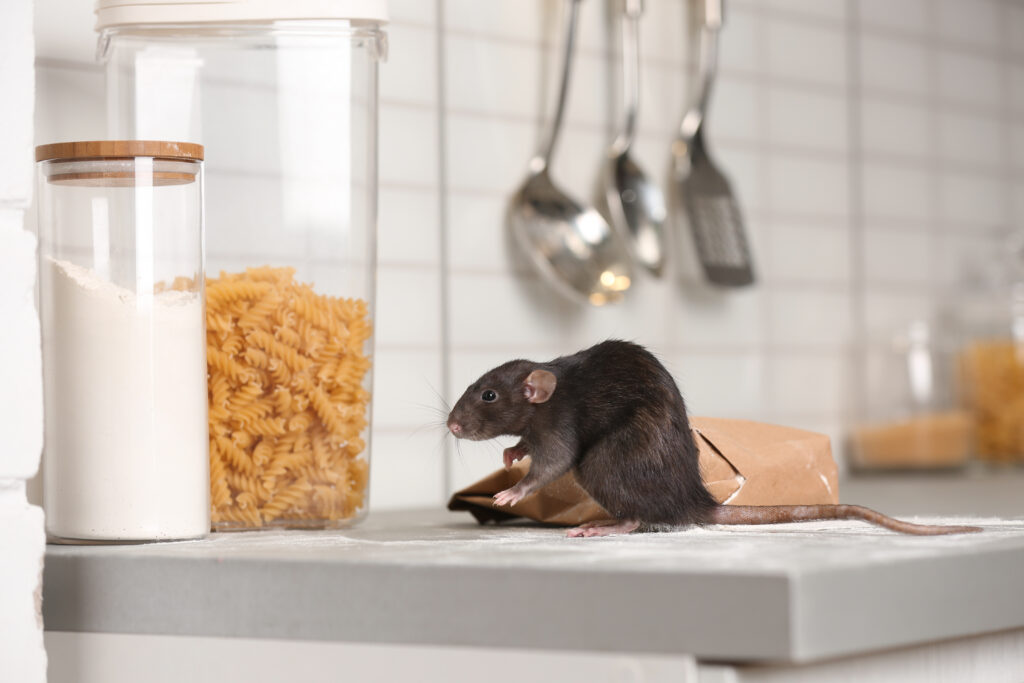
Rats frequently return to your home because it offers a reliable source of food, water, and shelter. They’re drawn to the consistent availability of resources, making your property an ideal habitat.
If you don’t address these conditions, rats will keep coming back, undermining your efforts to reclaim your space. You have to understand that rats are creatures of habit—they remember safe routes and cozy hideouts. When you leave gaps in your defenses, they exploit them.
To stop this cycle, you need to remove attractants and seal entry points firmly. Taking control gives you the freedom to enjoy your home without unwanted guests.
How Rats Find Food and Shelter Inside
Often, rodents rely on their keen senses and adaptability to locate food and shelter within your home. They use their sharp sense of smell to sniff out crumbs, pet food, and unsecured garbage, making your kitchen and pantry prime targets.
Rats also seek warmth and safety, often nesting in hidden areas like wall voids, attics, or cluttered basements. You’ll find they exploit even the smallest openings to gain entry, following familiar pathways along pipes and wires.
To keep them out, you need to remove easy food sources and seal any potential entry points tightly. Understanding how rats navigate your space helps you stay one step ahead, protecting your freedom from unwanted infestations and maintaining control over your living environment.
Signs Rats Are Still Hiding Nearby
Even after you’ve removed food sources and sealed entry points, signs of rodent activity can still appear around your home. You need to stay alert for droppings—small, dark pellets usually found near walls or in hidden corners.
Fresh gnaw marks on wood, wires, or plastic show rats are still active. You might hear scratching or scurrying sounds at night, especially in walls or ceilings.
Look for greasy rub marks along pathways they use regularly. Burrows near foundations or under debris indicate they’re nesting close by.
If you spot shredded materials or nesting debris, that’s another red flag. Staying vigilant about these signs helps you regain control and prevents rats from reclaiming your space.
Recognizing these clues early is key to maintaining the freedom of a rat-free home.

How Rat Repellents Keep Them Away
When you want to keep rodents from returning, using rat repellent can be a highly effective strategy. These products work by targeting rats’ sensitive senses—smell, taste, or hearing—creating an environment they find uncomfortable or threatening.
You’ll find repellents that emit strong odors rats hate, ultrasonic devices that disrupt their communication, and taste deterrents that make food unappealing. By consistently applying repellents around entry points and nesting areas, you deny rats the comfort they seek, encouraging them to move on.
Choosing the Best Rat Repellent for Long-Term Control
Selecting the best rat repellent for long-term control requires understanding the specific needs of your environment and the behavior of the rats you’re dealing with.
You’ll want to choose a repellent that targets their senses—smell, taste, or touch—depending on where they frequent. Ultrasonic repellents work well in enclosed spaces but might fail outdoors.
Natural repellents like peppermint oil offer a chemical-free option, though you’ll need to reapply regularly.
For persistent infestations, combining repellents with proper sanitation and sealing entry points ensures lasting freedom from rats.
Always pick products proven effective and safe for your household or workspace. By tailoring your approach and staying consistent, you’ll regain control and keep rats from returning for good.
Conclusion
Rats keep returning because they find reliable food, water, and shelter inside your home. To stop them, you need more than just repellents—they work best when combined with sealing entry points and maintaining strict sanitation. By removing attractants and using effective repellents that target their senses, you make your space uncomfortable for rats, encouraging them to leave. Taking these practical steps ensures long-term control and keeps your home rat-free.