
The utilization of sustainable construction materials represents a pivotal shift towards environmentally conscious building practices, fostering a more resilient and eco-friendly infrastructure. As the industry increasingly embraces innovative solutions to reduce its ecological footprint universal testing machine, a fundamental question arises: How can the integration of these materials not only mitigate environmental impact but also drive value and longevity in construction projects? This discussion delves into the multifaceted aspects of sustainable construction materials, exploring their benefits, challenges, and the evolving landscape of eco-friendly innovations poised to shape the future of sustainable building practices.

Benefits of Sustainable Materials
Utilizing sustainable materials in construction not only reduces environmental impact but also enhances long-term durability and energy efficiency of buildings. By incorporating materials such as reclaimed wood, recycled plastic, bamboo, and cork, construction projects can significantly decrease their carbon footprint. Sustainable materials offer benefits beyond environmental stewardship; they often possess qualities like high strength-to-weight ratios, improved insulation properties dynamic universal testing machine, and resistance to pests and rot. These materials contribute to the creation of structurally sound buildings that require less energy for heating, cooling, and maintenance over their lifetime.
Moreover, the use of sustainable materials aligns with the principles of circular economy and resource efficiency. It promotes the idea of reusing and repurposing materials, thus reducing waste and conserving natural resources. This approach not only minimizes the demand for virgin resources but also encourages innovation in the design and construction industry. Ultimately, embracing sustainable materials in construction is a forward-thinking strategy that not only benefits the environment but also sets a new standard for building practices.
Types of Recycled Materials
Recycled materials, integral to sustainable construction practices, encompass a diverse range of resources that can be repurposed to reduce environmental impact and promote resource efficiency.
Among the most commonly used recycled materials in construction are reclaimed wood, recycled metal, crushed concrete, and recycled plastic. Reclaimed wood from old buildings, shipping pallets, or industrial scraps provides a rustic aesthetic while reducing the demand for fresh timber.
Recycled metals like steel and aluminum are highly durable and can be melted down and reshaped multiple times without losing their quality, making them ideal for structural elements.
Crushed concrete, often sourced from demolished structures, can be used as a base material for roads and foundations, reducing the need for gravel mining.
Recycled plastic, derived from items like bottles and packaging, can be transformed into composite lumber for decks and outdoor furniture, diverting plastic waste from landfills.
Embracing these recycled materials not only minimizes waste but also conserves natural resources, contributing to a more sustainable construction industry.
Advantages of Renewable Resources
Renewable resources offer a myriad of benefits in the realm of sustainable construction.
These resources, such as bamboo and cork, provide eco-friendly alternatives to traditional building materials.
Additionally, they often boast energy-efficient properties and can contribute to cost-effective construction practices.
Eco-Friendly Building Materials
Considering the imperatives of sustainability and environmental consciousness in modern construction practices, the utilization of eco-friendly building materials derived from renewable resources has gained significant traction within the industry. By opting for renewable resources like bamboo, reclaimed wood, recycled steel, and cork, builders can reduce the environmental impact of construction projects. These materials offer advantages such as lower carbon footprint, energy efficiency, and improved indoor air quality.
Bamboo, for instance, grows rapidly and sequesters more carbon than traditional timber. Reclaimed wood not only adds character but also reduces the demand for new lumber. Recycled steel saves energy and reduces waste. Cork is a sustainable option that provides excellent insulation. Incorporating these eco-friendly materials into construction projects not only benefits the environment but also promotes a healthier and more sustainable future.
Energy-Efficient Construction Options
Utilizing energy-efficient construction options that leverage the advantages of renewable resources is paramount in fostering sustainable building practices and reducing environmental impact in the construction industry.
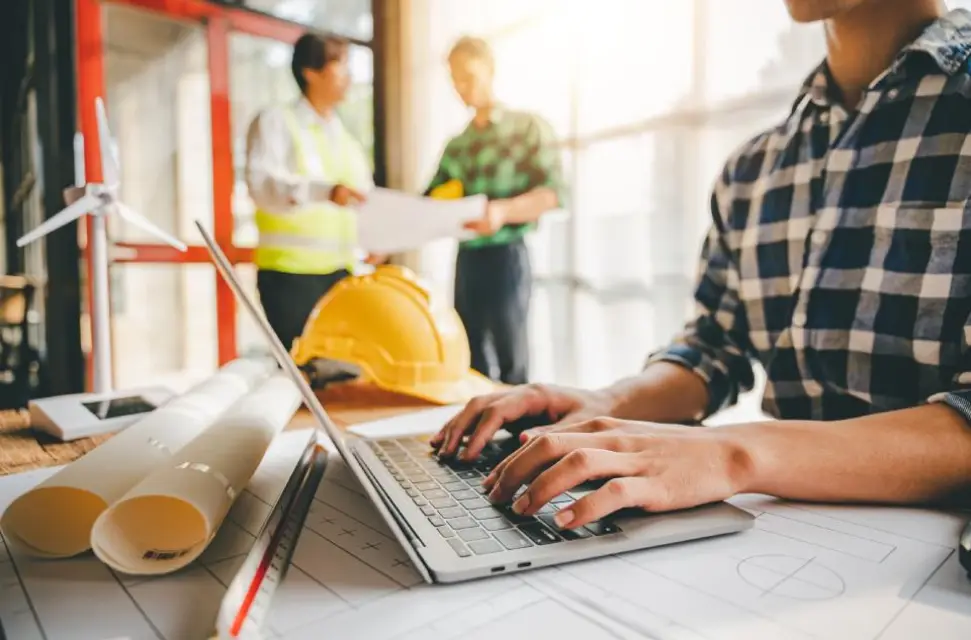
Incorporating renewable energy sources such as solar panels, wind turbines, and geothermal systems can significantly decrease a building’s carbon footprint and reliance on non-renewable energy. These options not only reduce greenhouse gas emissions but also offer long-term cost savings and energy independence.
Cost-Effective Sustainable Resources
Harnessing cost-effective sustainable resources is key to promoting environmentally friendly construction practices and minimizing the ecological footprint of building projects. Renewable resources offer several advantages that make them an attractive option for sustainable construction.
One major benefit is their abundance and constant availability, reducing dependency on finite fossil fuels. Additionally, renewable resources such as solar energy, wind power, and sustainably sourced timber can significantly lower operational costs in the long run.
Innovations in Eco-friendly Materials
In the realm of sustainable construction materials, a groundbreaking advancement has emerged with the development of bio-based composites that offer both durability and environmental benefits. These innovative materials are created by combining natural fibers, such as hemp or bamboo, with biodegradable resins to form strong, lightweight, and eco-friendly alternatives to traditional construction materials. Not only do bio-based composites reduce the reliance on finite fossil fuels, but they also have a lower carbon footprint compared to conventional materials like steel or concrete.
Moreover, another noteworthy innovation in eco-friendly materials is the utilization of recycled content in construction products. By incorporating materials like recycled steel, glass, or plastic into building components, construction projects can significantly reduce waste and lessen the demand for virgin resources. This not only helps divert waste from landfills but also promotes a circular economy where materials are reused and repurposed, contributing to a more sustainable future for the construction industry.
Importance of Energy-Efficient Options
Implementing energy-efficient options in construction is crucial for reducing carbon footprints and promoting sustainability. Energy-saving materials not only benefit the environment but also contribute to creating healthier indoor spaces.
Making eco-friendly construction choices leads to cost-effective sustainable solutions that align with green building practices.
Energy-Saving Materials Benefits
By incorporating energy-saving materials in construction projects, builders can significantly reduce energy consumption and minimize the environmental impact of buildings. Energy-efficient options such as high-performance insulation, double-glazed windows, and reflective roofing materials help regulate indoor temperatures, reducing the need for heating and cooling systems. This not only lowers utility costs but also decreases greenhouse gas emissions associated with energy production.
Additionally, using renewable energy sources like solar panels or geothermal systems further enhances the sustainability of buildings. By prioritizing energy-saving materials, construction projects can contribute to a more eco-friendly and cost-effective built environment. Embracing these innovative solutions not only benefits the environment but also provides long-term savings and promotes a more sustainable future.
Eco-Friendly Construction Choices
Utilizing eco-friendly construction choices, particularly emphasizing energy-efficient options, is paramount in fostering sustainable building practices and reducing environmental impact. Energy-efficient materials such as insulated concrete forms, cool roofs, and double-glazed windows play a significant role in reducing energy consumption and greenhouse gas emissions.
These choices not only decrease the carbon footprint of buildings but also lead to long-term cost savings for homeowners and businesses. Incorporating renewable energy sources like solar panels and wind turbines further enhances the sustainability of construction projects.
Cost-Effective Sustainable Solutions
Incorporating energy-efficient solutions into construction projects is a strategic investment that not only promotes sustainability but also yields long-term cost savings and environmental benefits.
Opting for energy-efficient materials and technologies, such as insulation, LED lighting, and efficient HVAC systems, can significantly reduce operational expenses over the building’s lifespan. While the initial investment may be slightly higher, the long-term savings from reduced energy consumption often far outweigh the upfront costs.
Moreover, energy-efficient options contribute to a decreased carbon footprint, aligning with eco-conscious goals and regulations. By prioritizing energy efficiency in construction projects, not only do stakeholders benefit from financial savings, but they also actively participate in the global movement towards a more sustainable and environmentally-friendly built environment.
Sustainable Materials in Construction Design
In contemporary construction design, the integration of sustainable materials plays a pivotal role in fostering environmentally conscious and innovative building practices. Architects and designers are increasingly turning to sustainable materials such as bamboo, recycled steel, reclaimed wood, and low-impact concrete to reduce the carbon footprint of construction projects. These materials not only help in conserving natural resources but also contribute to the overall energy efficiency and sustainability of buildings.
Innovative approaches like using hempcrete for insulation, solar panels for energy generation, and green roofs for natural insulation are becoming more prevalent in construction design. The use of sustainable materials not only reduces the environmental impact of buildings but also enhances indoor air quality and occupant comfort.
Furthermore, sustainable materials offer a unique aesthetic appeal, providing a modern and eco-friendly look to structures. Embracing sustainable materials in construction design not only aligns with the principles of environmental responsibility but also opens up opportunities for creative and forward-thinking architectural solutions.
Challenges in Implementing Green Materials
The adoption of sustainable materials in construction design presents an array of challenges that necessitate careful consideration and strategic solutions to overcome. One of the primary challenges lies in the higher initial cost of green materials compared to traditional ones. However, it’s crucial to consider the long-term benefits and cost savings that sustainable materials offer over their lifespan.
Another significant challenge is the limited availability of green materials in some regions, which can hinder widespread adoption. This scarcity underscores the importance of investing in research and development to create more accessible alternatives.
Additionally, the lack of awareness and understanding among stakeholders about the benefits and applications of sustainable materials poses a challenge. Education and collaboration among architects, engineers, builders, and suppliers are essential to drive the widespread acceptance of green materials. Moreover, ensuring the durability and performance of sustainable materials under various environmental conditions is crucial to building trust and confidence in their use.
Overcoming these challenges requires a collective effort and a commitment to innovation in the construction industry.
Future Trends in Sustainable Construction
Anticipated advancements in sustainable construction practices point towards a future where efficiency, resilience, and environmental stewardship converge to redefine the industry’s landscape. The integration of cutting-edge technologies such as 3D printing, robotic construction, and artificial intelligence is set to revolutionize how buildings are designed and constructed. These innovations not only enhance precision and speed but also significantly reduce material waste, energy consumption, and carbon emissions.
Moreover, the adoption of biophilic design principles is gaining momentum, with a focus on incorporating natural elements like green roofs, living walls, and ample natural light to promote occupant well-being and connection to the environment. Building materials derived from recycled waste products, such as reclaimed wood, recycled plastics, and repurposed metals, are becoming increasingly popular due to their sustainability credentials and unique aesthetic appeal.
As the demand for eco-friendly structures continues to rise, so does the emphasis on life-cycle assessment and circular economy principles, ensuring that buildings are not only constructed sustainably but also operate efficiently and can be repurposed or recycled at the end of their lifespan. Embracing these future trends in sustainable construction will not only drive innovation and economic growth but also pave the way for a more environmentally conscious and resilient built environment.
Conclusion
In conclusion, the use of sustainable construction materials offers a myriad of benefits, including enhanced durability, improved energy efficiency, and reduced environmental impact.
By incorporating recycled and renewable resources, as well as innovative eco-friendly materials, construction projects can contribute to a more sustainable future for the industry.
Despite challenges in implementation, the importance of energy-efficient options and a focus on green materials will drive future trends in sustainable construction towards a more environmentally conscious approach.