
When it comes to our canine companions, the world of dog treats is a vast and intriguing one. These seemingly simple rewards hold a deeper significance beyond just satisfying a dog’s taste buds. From the art of training to the science of nutrition nourish pet universe, dog treats are a multifaceted subject that deserves exploration. Let’s uncover the secrets behind what makes a dog treat more than just a snack and why choosing the right one can make a world of difference in a dog’s life.

Benefits of Dog Treats
Dog treats can play a crucial role in training and rewarding your furry companion. Beyond being a tasty snack, dog treats offer various benefits that can aid in your pet’s overall well-being https://nourish.petuniverse.com/. One key advantage of using treats is their effectiveness in reinforcing positive behavior during training sessions. By associating treats with desired actions, dogs are more likely to repeat those behaviors in the future. This positive reinforcement can significantly improve the training process and enhance the bond between you and your pet.
Moreover, certain treats are formulated to promote dental health by reducing plaque and tartar buildup. Chewing on dental treats can help clean your dog’s teeth and freshen their breath, contributing to better oral hygiene. Additionally, treats enriched with vitamins, minerals, and nutrients can provide supplementary benefits to your dog’s diet, supporting their overall health and vitality.
Importance of Training With Treats
Utilizing treats in training sessions can be a highly effective method for encouraging desirable behaviors in companion animals. Positive reinforcement training, which involves rewarding your dog with treats for good behavior, has been shown to be a powerful tool in shaping and maintaining desired actions. When a dog receives a treat immediately after displaying a positive behavior, such as sitting on command or walking politely on a leash, they are more likely to repeat that behavior in the future.
Training with treats helps to create a strong bond between the dog and the owner, as it establishes clear communication and trust. It also makes the training process enjoyable and rewarding for the dog, increasing their motivation to learn and participate. Additionally, using treats allows for precise timing in marking desired behaviors, making it easier for the dog to understand what they are being rewarded for.
Popular Flavors for Dogs
Exploring the top dog treat flavors can offer insight into what delights our canine friends the most. Understanding dogs’ favorite treats can help pet owners cater to their preferences and strengthen the human-dog bond.
Discovering trending flavors for dogs can provide valuable information for selecting the best treats for rewarding and training purposes.
Top Dog Treat Flavors
When considering top dog treat flavors, it is essential to understand the preferences of canine companions based on various factors such as breed, age, and dietary restrictions. Some popular flavors that tend to be universally enjoyed by dogs include peanut butter, bacon, chicken, and beef. These flavors often appeal to a wide range of breeds and ages, making them versatile choices for dog owners looking to treat their furry friends.
Additionally, natural ingredients and minimal processing are key factors to consider when selecting dog treats to ensure they are not only delicious but also nutritious. By catering to dogs’ tastes and nutritional needs, pet owners can provide their loyal companions with rewarding and healthy treats.
Dogs’ Favorite Treats
Dogs have distinct preferences when it comes to their favorite treats, with popular flavors such as peanut butter, bacon, chicken, and beef often ranking high on their list. These flavors tend to appeal to dogs due to their strong scents and savory tastes.
Peanut butter is a classic favorite among many dogs, known for its rich and creamy texture. Bacon flavor is irresistible to most dogs, as it provides a smoky and meaty taste that dogs love. Chicken and beef flavors are also popular choices, offering a protein-packed and satisfying reward for our canine companions.
Understanding these favorite flavors can help dog owners select the most enjoyable treats for their furry friends, promoting happiness and tail-wagging excitement during treat time.
Trending Flavors for Dogs
Have canine taste preferences shifted towards new and exciting flavors in recent trends?
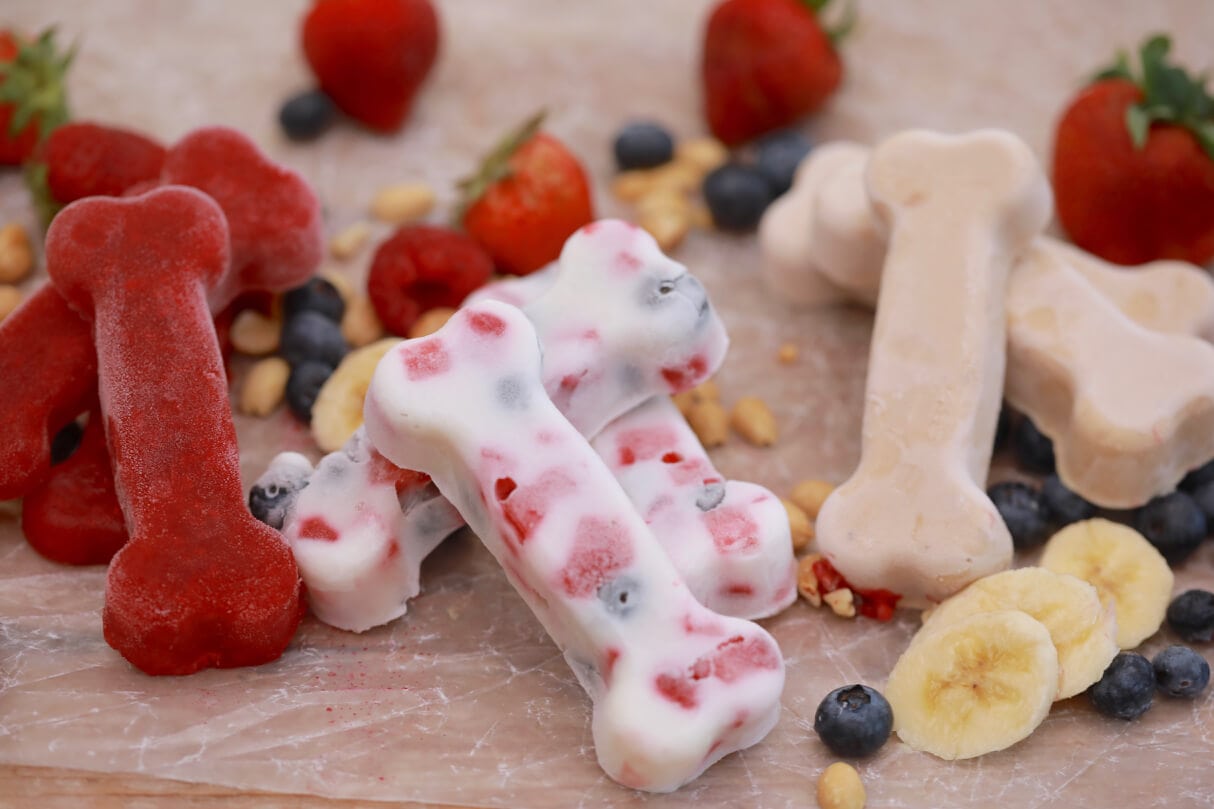
Popular flavors for dogs are constantly evolving, reflecting human food trends. Some of the trending flavors for dogs include peanut butter, pumpkin, salmon, and coconut. These flavors not only add variety to their diets but also offer nutritional benefits.
Peanut butter is a favorite among dogs for its rich taste and creamy texture, while pumpkin is known for aiding digestion. Salmon provides essential omega-3 fatty acids for a healthy coat and skin. Coconut is gaining popularity for its potential health benefits, such as improving skin conditions and boosting immunity.
Pet owners are increasingly seeking out treats with these trending flavors to keep their furry companions happy and healthy.
Soft Vs. Crunchy Treats
When it comes to dog treats, the debate between soft and crunchy options revolves around texture preferences of our furry friends. Understanding the benefits of each type is crucial in providing the best rewards for training and overall health.
The texture of treats can also have implications on training methods and reinforcement techniques used with dogs.
Texture Preference in Treats
Texture preference in dog treats is a significant factor to consider when selecting the most suitable reward for your canine companion.
Some dogs may prefer soft treats due to dental issues or older age, making them easier to chew. On the other hand, crunchy treats can help promote dental health by reducing tartar buildup and exercising the jaw.
Understanding your dog’s preference can enhance training sessions and strengthen the bond between you. Observing your dog’s reaction to different textures can guide you in choosing the most enticing and rewarding treats.
Benefits of Each Type
Soft treats offer a gentle and easily chewable option for dogs, catering to those with dental sensitivities or older age. These treats are ideal for puppies who are still developing their teeth and for senior dogs with dental issues. They can also be used for training purposes as they are quickly consumed, making them effective for rewarding desired behaviors promptly.
On the other hand, crunchy treats provide a satisfying crunch that can help clean a dog’s teeth by reducing plaque and tartar buildup. The act of chewing on crunchy treats can also provide mental stimulation for dogs.
Both soft and crunchy treats have their unique benefits, and choosing between them depends on the individual needs and preferences of the dog.
Training Implications for Dogs
The texture of treats can significantly impact training outcomes. Soft treats are ideal for quick rewards during training sessions, as they can be consumed rapidly, allowing for seamless training continuity. They are particularly useful for teaching new commands or behaviors that require frequent reinforcement.
On the other hand, crunchy treats provide dogs with a satisfying crunch that can help maintain their focus and engagement during more extended training sessions. These treats are beneficial for reinforcing behaviors that require sustained attention or for training activities that involve distractions.
Understanding the training implications of soft versus crunchy treats can help dog owners tailor their training methods for optimal results.
Size Matters in Treat Selection
When selecting dog treats, considering the size of the treat is crucial for maintaining proper portion control and ensuring the treat is appropriate for the size of the dog. Treats that are too large can lead to overfeeding, which may contribute to weight gain and other health issues in dogs. On the other hand, treats that are too small may not provide enough satisfaction or chewing time for the dog.
For small breeds or puppies, opt for smaller treats that are easy to chew and digest. These dogs may struggle with larger treats and could potentially choke on them. Larger breeds, on the other hand, may benefit from larger treats that they can chew on for a longer period.
Choosing the right size of treats also impacts training sessions. Treats that are too big can slow down training progress as they take longer to consume, causing disruptions in the training flow. Conversely, treats that are too small may not be rewarding enough for the dog to stay motivated during training. By selecting treats of an appropriate size, you can effectively reinforce positive behaviors without compromising your dog’s health or training outcomes.
Healthy Ingredients to Look For
Considering the nutritional value of dog treats is paramount when making selections, with a focus on identifying healthy ingredients that contribute to a balanced diet for your furry companion. Look for treats that contain high-quality proteins such as chicken, turkey, or fish. These proteins are essential for muscle maintenance and overall health.
Additionally, treats with whole grains like brown rice or oats provide a good source of energy and fiber. Fruits and vegetables such as sweet potatoes, apples, and carrots can add vitamins, minerals, and antioxidants to your dog’s diet.
Avoid treats that contain artificial additives, fillers, and excessive amounts of salt or sugar. These ingredients can be harmful and contribute to health issues in the long run. Instead, opt for treats with natural preservatives like Vitamin E or rosemary extract. Remember to check for reputable brands that prioritize the use of wholesome ingredients in their products.
Treats for Puppies and Seniors
When selecting treats for puppies and seniors, it is essential to consider their specific nutritional needs and preferences to ensure their health and well-being is supported. For puppies, treats should be rich in protein to support their growth and development. Look for treats with high-quality ingredients like chicken, beef, or salmon. Additionally, treats for puppies should be easy to chew to accommodate their developing teeth.
On the other hand, senior dogs have different dietary requirements. Treats for seniors should focus on joint health, as older dogs are prone to arthritis and joint issues. Treats containing glucosamine and chondroitin can help support joint function and mobility. Furthermore, senior dogs may have lower energy levels, so it’s important to choose treats that are lower in calories to prevent weight gain.
When selecting treats for puppies and seniors, always consider any dietary restrictions or allergies they may have. Consulting with a veterinarian can help you choose the best treats tailored to your dog’s specific needs at different life stages.
Homemade Treat Recipes
Looking to provide your furry friend with healthy and delicious treats? Homemade dog treats can be a great option to ensure that your pet is getting high-quality ingredients without any unnecessary additives.
One popular recipe is the Peanut Butter and Banana Bites. These treats are easy to make by mixing mashed bananas with peanut butter, forming small bite-sized balls, and then freezing them for a cool and refreshing snack. Another favorite among dogs is the Sweet Potato Chews. Simply slice sweet potatoes, bake them until they are chewy, and voila – a tasty and nutritious treat that your dog will love.
For a more savory option, consider making the Chicken and Oat Biscuits. These biscuits combine shredded chicken, oats, and a bit of water to create a dough that can be cut into fun shapes before baking. Your dog will be sure to enjoy the homemade goodness of these treats.
Avoiding Common Allergens
To ensure the safety and well-being of your furry companion, it is crucial to be mindful of common allergens when selecting or preparing dog treats. Some of the most common allergens for dogs include wheat, corn, soy, dairy, and artificial additives. When choosing store-bought treats, carefully read the ingredient list to avoid these potential allergens. Opting for treats with limited ingredients can help reduce the risk of allergic reactions in sensitive dogs.
Moreover, when making homemade dog treats, consider using alternative ingredients like coconut flour, chickpea flour, or oats as substitutes for wheat flour. Natural sweeteners such as honey or applesauce can replace sugar, and coconut oil can be a healthier alternative to butter. Additionally, incorporating fruits like blueberries or bananas and vegetables like sweet potatoes or pumpkin can provide nutritional benefits without common allergens.
Conclusion
In conclusion, dog treats play a vital role in enhancing the overall well-being of our furry companions.
From promoting positive behaviors during training to supporting dental health and providing essential nutrients, treats are an important aspect of a dog’s diet.
By choosing treats with healthy ingredients, appropriate sizes, and delicious flavors, dog owners can strengthen their bond with their pets and contribute to their overall happiness and health.